
Children Are Wired To Think
In 2025 I attended an incredible workshop with Peter Liljedahl on how to “Build a Thinking Classroom”through [Math]odology. A huge takeaway I had was that students are capable of so much more than we think or realize. Children have developed a learned helplessness in and outside of school because as soon as we see them struggle we think we need to dive in and save the day. In doing this, we have prevented children's ability to strengthen their thinking muscle. They don’t want to put in effort or do the hard work because we have told them they can’t, but really they have the natural ability to piece things together without our hand holding. If we give them the opportunity to think, scaffold situations to encourage meaning making, and create engaging tasks you would be surprised at how much learning takes place and how much stronger of a mathematician they become. We need to make “thinking” cool again.
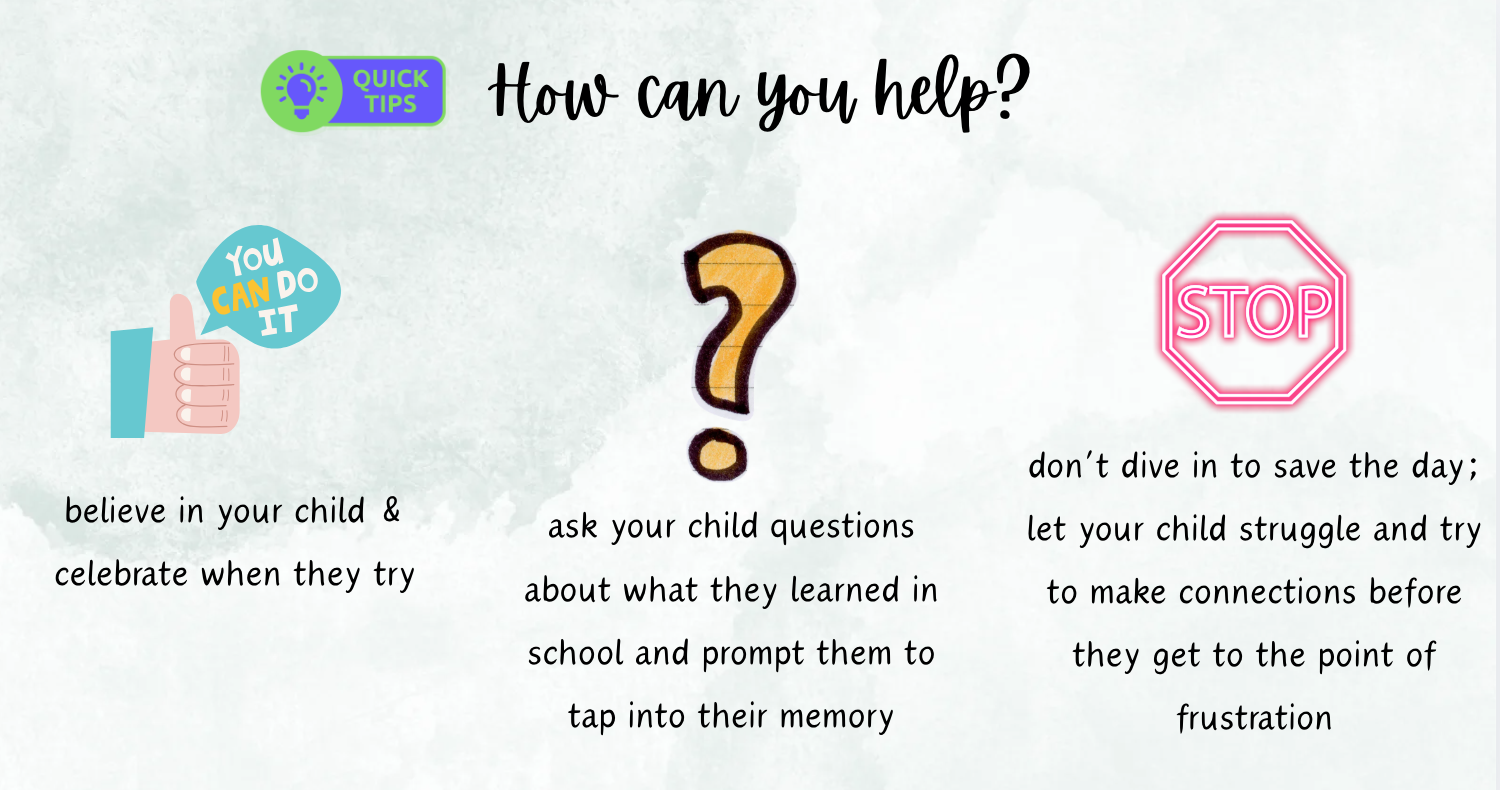
I know what you’re thinking... I don’t have time to sit with my child and work through their homework with them. I just need it to be done because I have so many more things to do tonight. While this is a shared feeling among many parents, I’m here to tell you that the more you jump in and take over, the more learned helplessness your child will develop. This is not to say that you can’t help your child, you just want to be mindful of how to help without “doing it for them”in a way that is not how they are learning and taking the thinking out of the process. By taking these small steps you will help your child become more independent and build their thinking muscle. If you take the time now to do this, homework will become less of a burden down the road. In a world of shortcuts, being over scheduled, and screens, we have to make thinking cool again by taking the time to prioritize it.
